
Spring Awakening: Alligators Emerge from Brumation at Magnolia
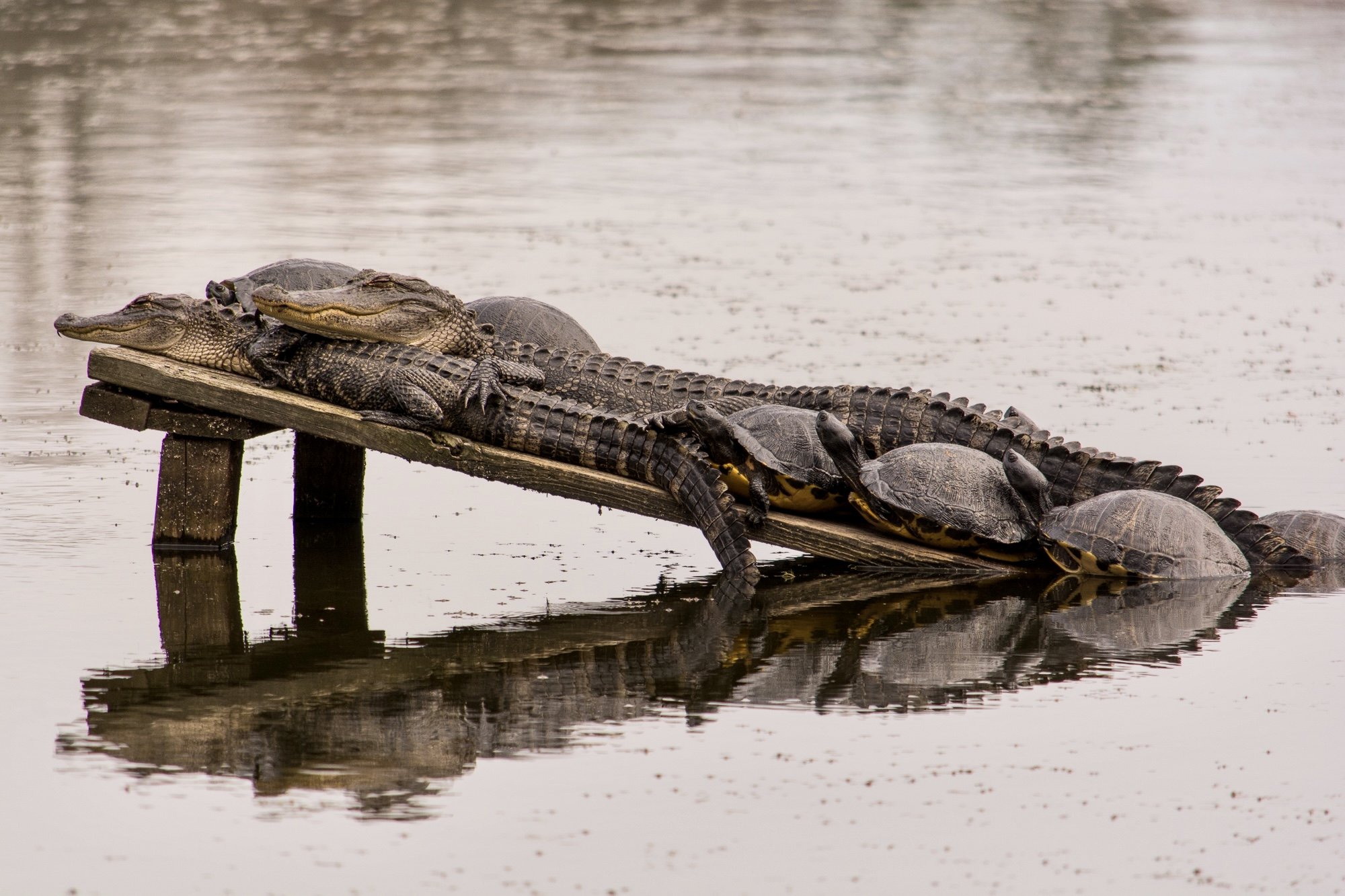
As the sun climbs higher and the Lowcountry air warms, a massive transformation is occurring in the waters and wetlands around Magnolia Plantation & Gardens. Our resident American Alligators are stirring, marking one of the most exciting things to do in Charleston, SC during the spring: witnessing the end of brumation and the start of breeding season.
What is Brumation?
Many people are familiar with hibernation, where mammals enter a deep sleep during the cold months. Alligators, however, go through a similar but distinct process called brumation. Since alligators are cold-blooded (ectotherms), their body temperature is regulated by their external environment. As water and air temperatures drop, their metabolism slows down dramatically.
During brumation, which typically lasts from late autumn through early spring, alligators become lethargic and cease feeding. They often retreat to dens (called "gator holes"), bury themselves in mud, or remain submerged with only their nostrils exposed, sometimes even freezing into the ice if necessary. Brumation is not true sleep; the alligator remains aware of its surroundings but conserves energy until the warmer weather returns.
Now, with the arrival of spring, our alligators are emerging. The increased temperatures signal to their bodies that it's time to become active again. Over the next several weeks, you will notice a significant surge in alligator activity across the property.
Feeding and Basking
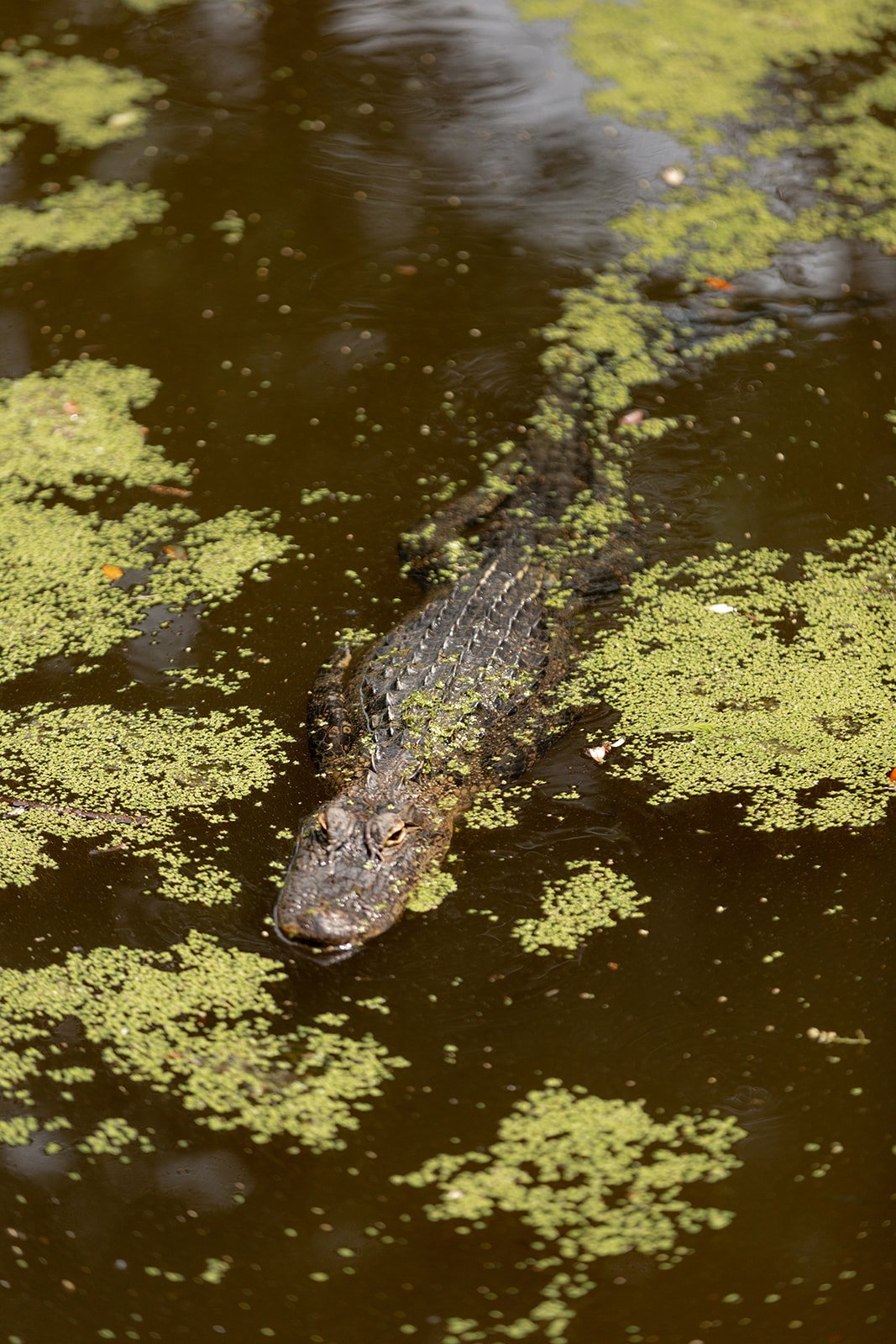
Adult alligators, who have gone months without a substantial meal, are prioritizing two things: feeding and basking. Basking—lying in the sun—is essential for raising their body temperature to optimal levels for digestion and movement. Look for them on sunny banks and logs, especially around Audubon Swamp Garden.
The Sounds of Mating Season
The most dramatic change comes with the onset of the breeding season, primarily in April and May. This is when the quiet wetlands give way to the powerful sounds of courtship.
Adult male alligators begin their search for mates, announcing their presence with a deep, vibrating bellow. This unique, low-frequency sound is often accompanied by a "water dance" where they suck water into their lungs and vibrate the water on their back, causing the surface to ripple and "dance." The bellows are a thrilling sound of the Lowcountry spring, a clear sign that nature is in full swing. Keep an ear out for these primal calls, which are loudest in the early morning and late evening.
Juvenile Movements and Habitat
While the large adults dominate the main water bodies, the younger alligators are also on the move. Juveniles tend to migrate to smaller, often safer, water sources like the retention ponds and drainage ditches throughout the gardens. These smaller areas offer better protection from predators, including larger alligators, and provide ample small prey. Visitors are reminded to exercise caution and always observe alligators from a safe distance, especially around these smaller bodies of water.
Alligator Safety for Visitors
Maintain Distance: Always stay at least 60 feet (two school bus lengths) away.
Never Feed Wildlife: Feeding alligators is illegal in SC and causes them to lose their natural fear of humans.
Keep Pets on Leashes: Small pets can be mistaken for prey; keep them close and away from the water's edge.
If you want to learn more about these fascinating reptiles, be sure to check out these alligator FAQs.
From the quiet banks of the Audubon Swamp Gardens, the alligators are back. Grab your camera, keep a respectful distance, and come check out one of the best things to do in Charlestonthis season! Plan your visit today!
