
If you are wondering where to see wildlife in Charleston, SC, Magnolia Plantation & Gardens is one of the premier wetland and birdwatching destinations in the Lowcountry. Situated roughly 12 miles northwest of downtown Charleston on the Ashley River, Magnolia spans hundreds of acres of blackwater cypress swamp, tidal salt marsh, and romantic gardens—offering prime habitats for American alligators, wading birds, native reptiles, and migratory waterfowl.
Visiting during the fall and winter months offers distinct wildlife viewing advantages: deciduous foliage thins for clearer sightlines, insects disappear, and cooler temperatures prompt cold-blooded reptiles to bask out in the open during peak daytime hours.
At a Glance: Fall & Winter Wildlife Viewing
Location: 3550 Ashley River Rd, Charleston, SC (approx. 25–30 minutes from Historic Downtown).
Best Habitats on Site: Audubon Swamp Garden, Ashley River and waterfowl impoundments.
Top Species to Spot: American alligators, great blue herons, white ibises, anhingas, barred owls, wood ducks, and river otters.
Educational Center: Magnolia Wildlife Center (sanctuary for unreleasable, rescued native raptors and mammals).
Why Fall & Winter Are the Best Seasons for Wildlife Spotting
While spring attracts visitors for floral blooms, autumn and winter provide optimal conditions for nature photographers and wildlife enthusiasts:
Better Sightlines: Deciduous wetland hardwoods (like bald cypresses and black tupelos) shed their foliage from late October through December, opening views into the deeper swamp canopy that are concealed during dense summer months.
Reptile Basking Behavior: American alligators enter a state of brumation (reduced metabolic activity) during colder periods. Rather than swimming submerged, they haul out onto sunny mudbanks, logs, and boardwalk margins between 11:00 AM and 2:00 PM to absorb midday warmth.
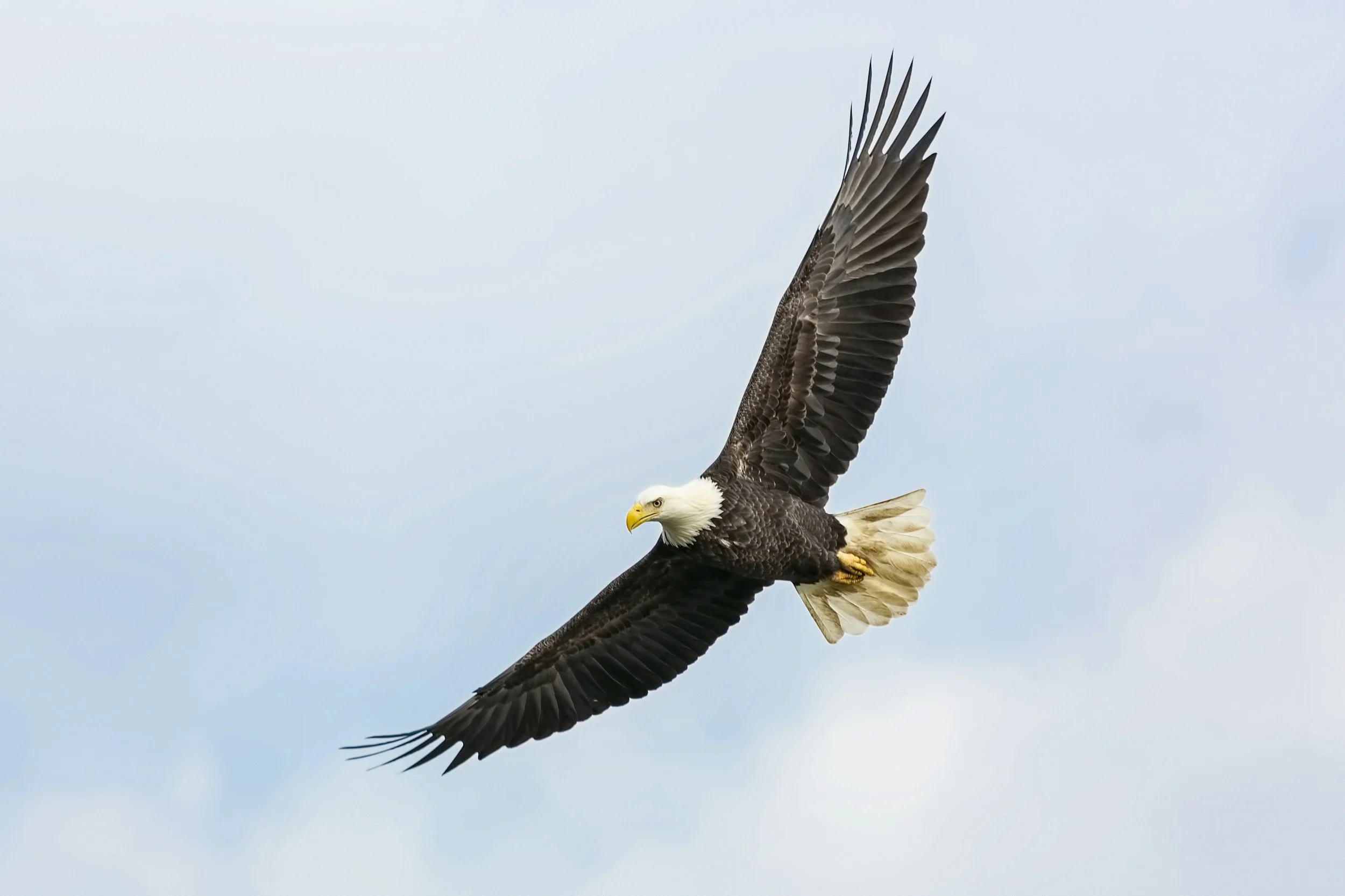
Migratory Bird Activity: Charleston sits along the Atlantic Flyway. Fall and winter bring thousands of overwintering waterfowl, warblers, and raptors to Magnolia’s protected blackwater impoundments.
Frequently Asked Questions (FAQ)
Can you see alligators at Magnolia in the winter?
Yes. Although American alligators do not feed regularly in the winter due to lower body temperatures (a dormant state called brumation), they sometimes climb onto open mudbanks and fallen logs to sunbathe on clear, sunny days between late morning and early afternoon.
What is the best time of day to see wildlife at Magnolia?
For birdwatching and river mammals, early morning (opening at 9:00 AM) is best as birds feed and water activity is calm. For alligators and turtles during fall and winter, midday (11:00 AM to 2:00 PM) is optimal, as solar radiation peaks and cold-blooded wildlife leaves the water to warm up on land.
What animals are at the Wildlife Center?
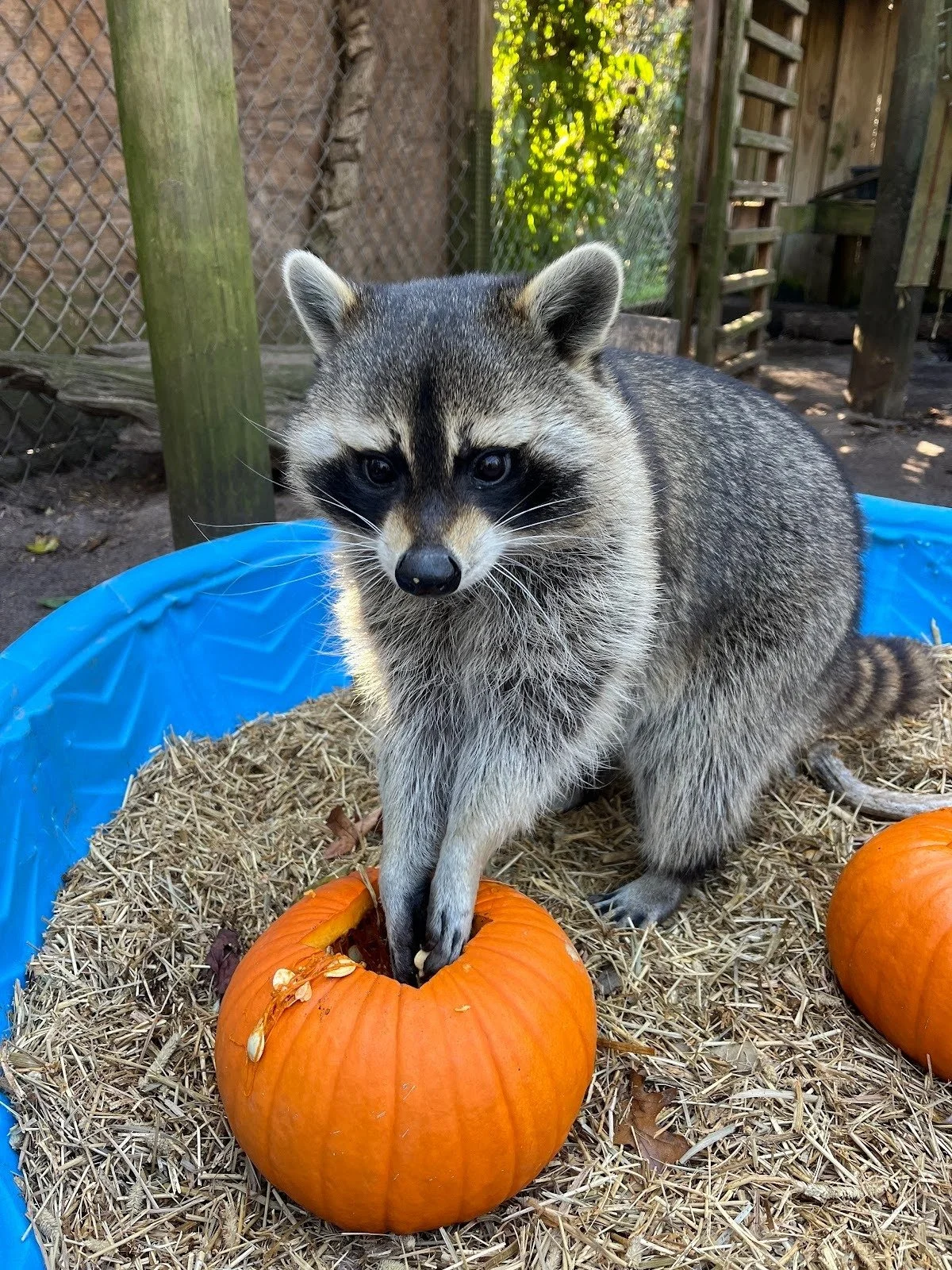
The Wildlife Center houses unreleasable, rehabilitated native animals, including red foxes, raccoons, birds of prey (such as barred owls, screech owls, and red-tailed hawks), vultures, and indigenous reptiles like eastern box turtles and rat snakes.
How accessible are the wildlife trails at Magnolia?
The property features a mix of packed dirt paths, crushed stone trails, and elevated wooden boardwalks. The Audubon Swamp Garden boardwalks feature handrails throughout, though some narrow sections and exposed tree roots on side trails require sturdy walking shoes.
Plan Your Wildlife Excursion
Whether you are an avid birder, a wildlife photographer, or a family seeking an authentic encounter with native Lowcountry fauna, Magnolia Plantation & Gardens pairs four centuries of history with one of the most vibrant ecosystem preserves in the coastal Carolinas.
Address: 3550 Ashley River Road, Charleston, SC 29414
Official Booking: Reserve tickets here.
