
Experience the magic of indigo
Indigo is far more than a beautiful pigment. Starting August 15th, encounter indigo as both a crop and a 360-degree journey. Follow the path from its origins and introduction to the Lowcountry, through its cultivation, processing, and dye extraction, all the way to its contemporary artistic reinterpretation.
What to Experience This Fall:
Heritage Garden:Discover the crops that built the Lowcountry. Walk among plantings of cotton, corn, indigo, and rice to see how these plants transformed the region's economy, reshaped its geography, and fueled its historical labor systems.
The Indigo Maze:Located within the Heritage Garden, this unique, living maze invites you to wander through the leaves and explore with childlike wonder the plant’s biology and ecological role.
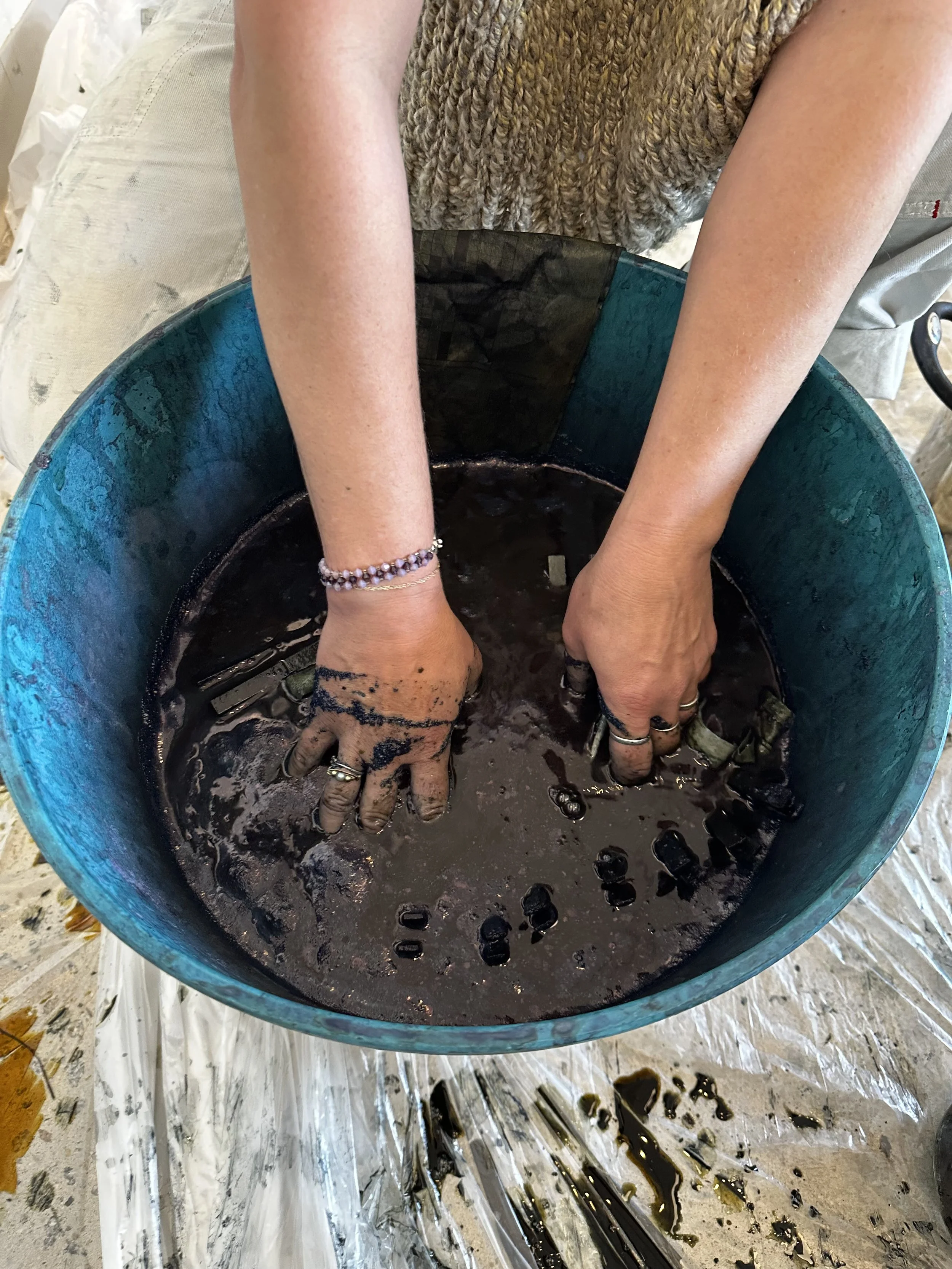
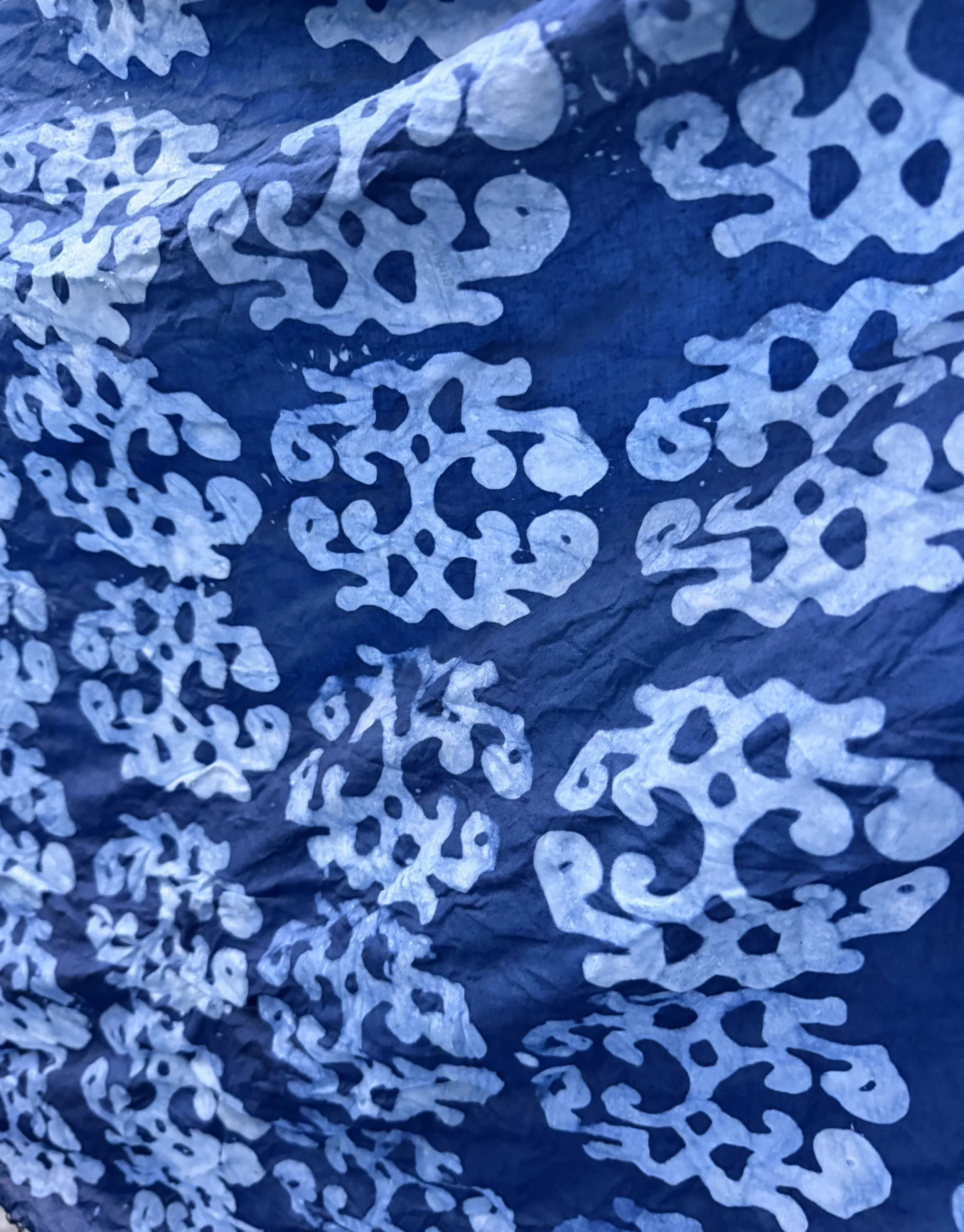
Live Craft Demonstrations:Witness the incredible transformation of how a green leaf transforms into a brilliant blue dye, and learn about the science and labor behind processing and dyeing with indigo.
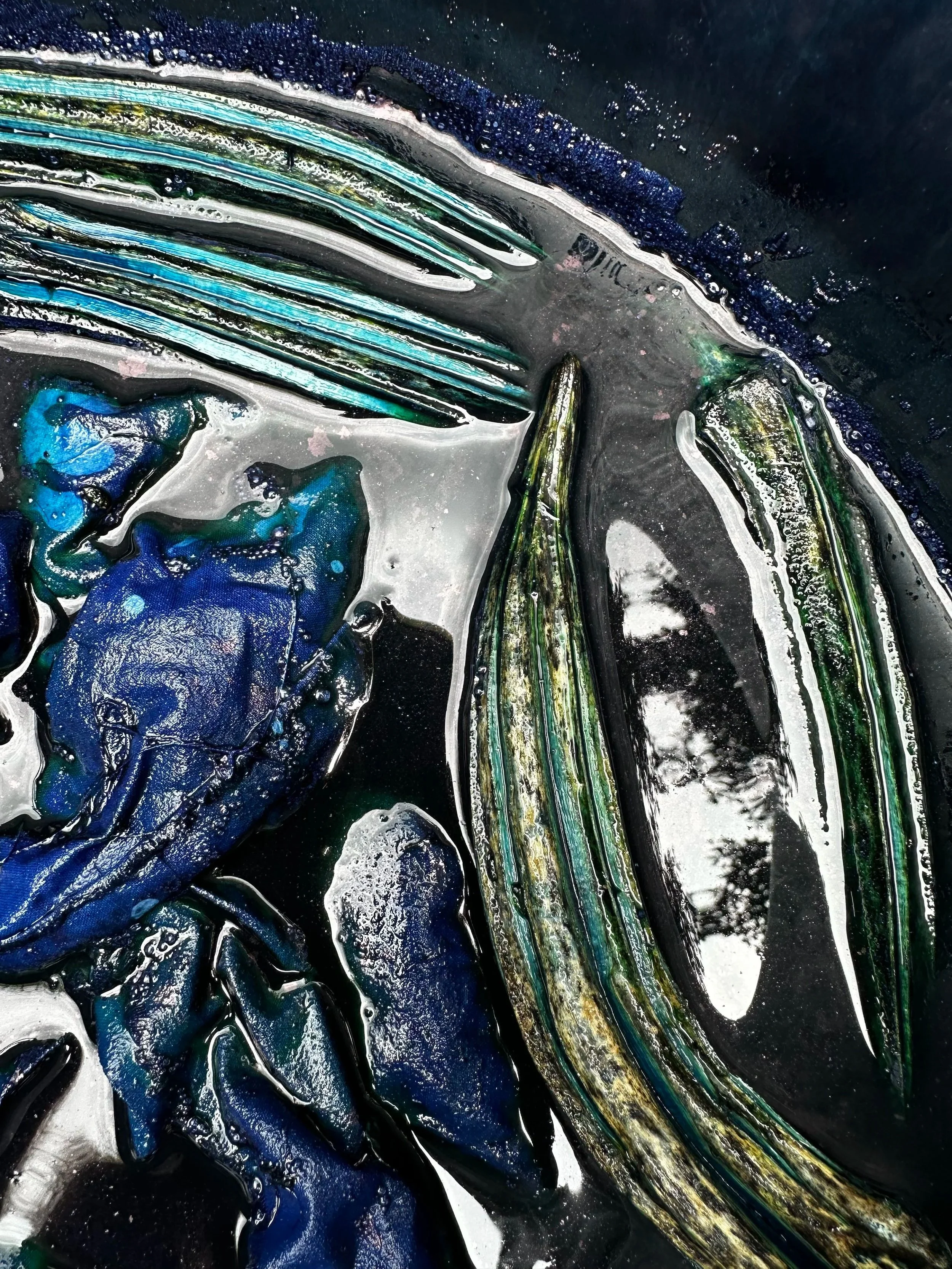
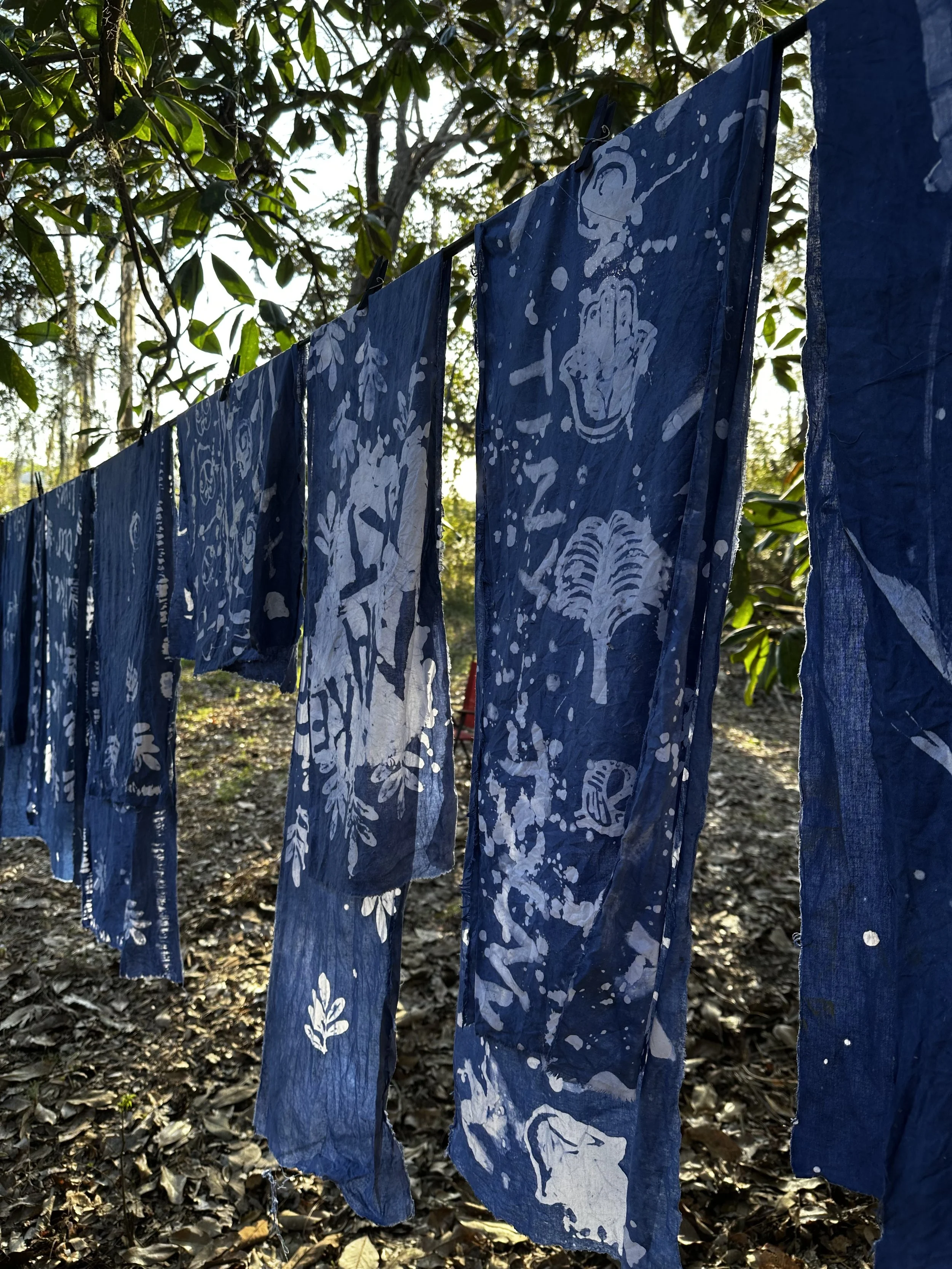
Art & Workshops:Meet the artists behind the exhibit, view stunning textile installations, and join hands-on indigo-dyeing workshops that bridge historic traditions with modern creativity.
History Brought to Life: Explore indigo brought to life by artists, honoring the profound knowledge systems and lived experiences of the enslaved people who sustained this global industry.
Exhibit Information
When: August 15th to November 15th
Where: Magnolia Plantation & Gardens
Cost: Included with admission
Our Partners
We are proud to collaborate with organizations dedicated to honoring the history and future of natural dyes:
Align the Fibers, founded by textile artist and cultural practitioner Precious Jennings, works to preserve and revitalize traditional fiber arts through sustainable and community-centered practices. Their leadership in natural dye education and fiber preparation will help ensure that indigo processing is interpreted with technical accuracy and cultural sensitivity.
International Center for Indigo Culture fosters a farm-to-fabric culture centered on indigo and natural dye. Through education, grower support, and artist collaboration, ICIC strengthens sustainable agriculture while preserving the cultural heritage associated with indigo’s past and future.