
As autumn sweeps across Charleston, South Carolina, crisp temperatures bring more than vibrant foliage and coastal breezes. They trigger a fundamental shift in behavior for the Lowcountry’s native wildlife.
Across the historic wetlands and reflection ponds of Magnolia Plantation & Gardens, American alligators (Alligator mississippiensis) and indigenous reptiles begin adapting to the seasonal drop in temperature as they prepare for the cold months ahead.
What Is Brumation? How Reptiles Survive the Winter
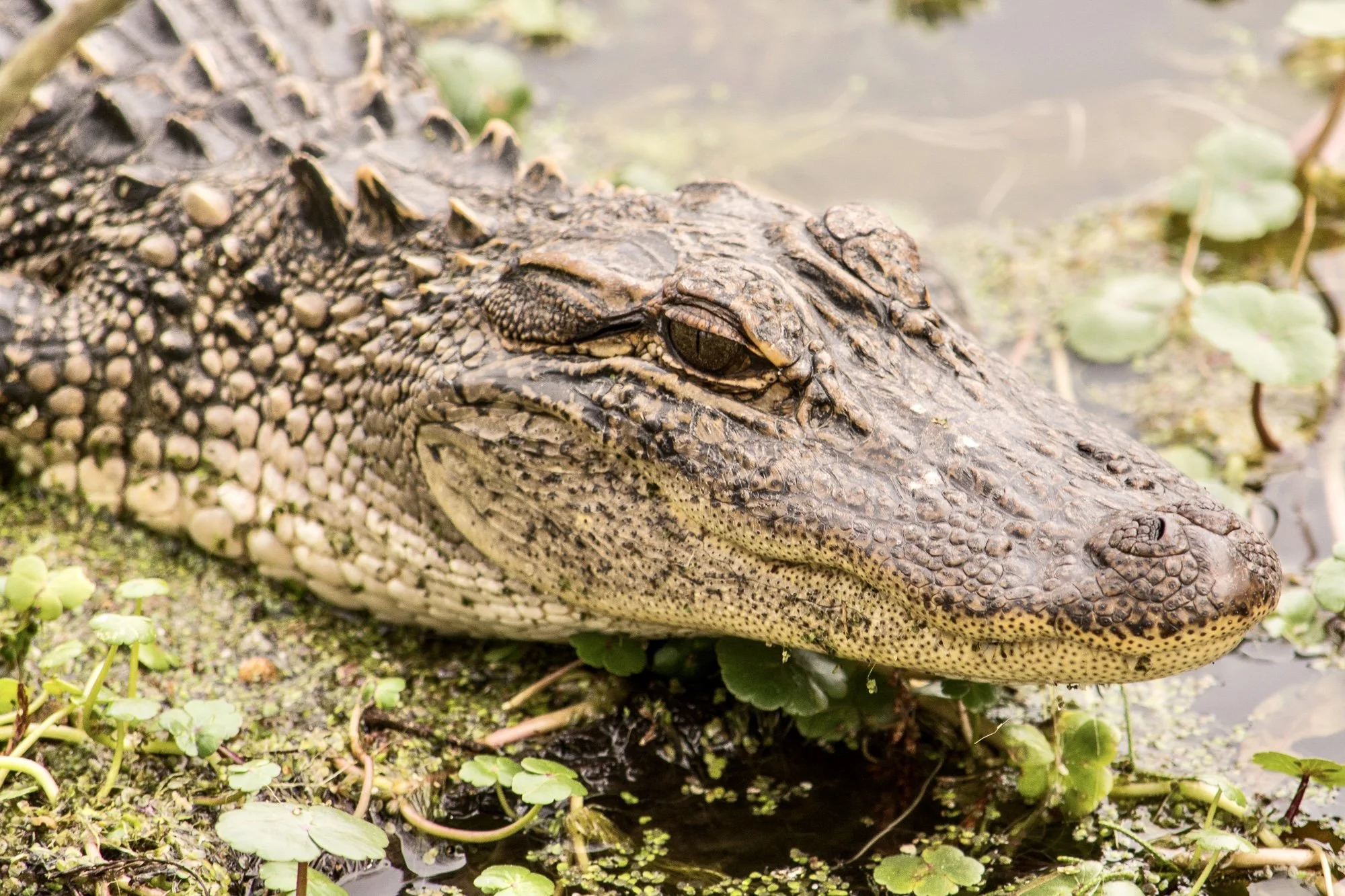
While mammals undergo true hibernation, reptiles rely on a physiological dormant state known as brumation.
Because alligators are ectothermic (cold-blooded), they cannot generate internal body heat and rely entirely on external ambient temperatures. When air and water temperatures fall below 70°F (21°C), their biology shifts significantly:
Metabolic Slowdown: An alligator’s metabolic rate plummets, accompanied by a sharp decline in heart rate and respiration.
Fasting State: Digestion grinds almost entirely to a halt, prompting reptiles to stop feeding to avoid undigested food decaying in their stomachs.
Energy Conservation: Alligators become largely lethargic, resting quietly to preserve vital energy reserves until consistent spring warmth returns.
Where Do Lowcountry Alligators Go During Cold Snaps?
When winter approaches, alligators often seek sheltered spots where they can stay protected from the cold. These may include muddy banks, burrows, and dens near the water. During particularly cold weather, alligators may remain tucked away for extended periods, emerging when conditions become more favorable. Because they are less active in winter, visitors may not spot them as easily around ponds and wetlands. At Magnolia Plantation & Gardens, these seasonal changes offer a fascinating glimpse into the natural rhythms of the Lowcountry ecosystem.
Discover Lowcountry Wildlife at Magnolia Plantation & Gardens
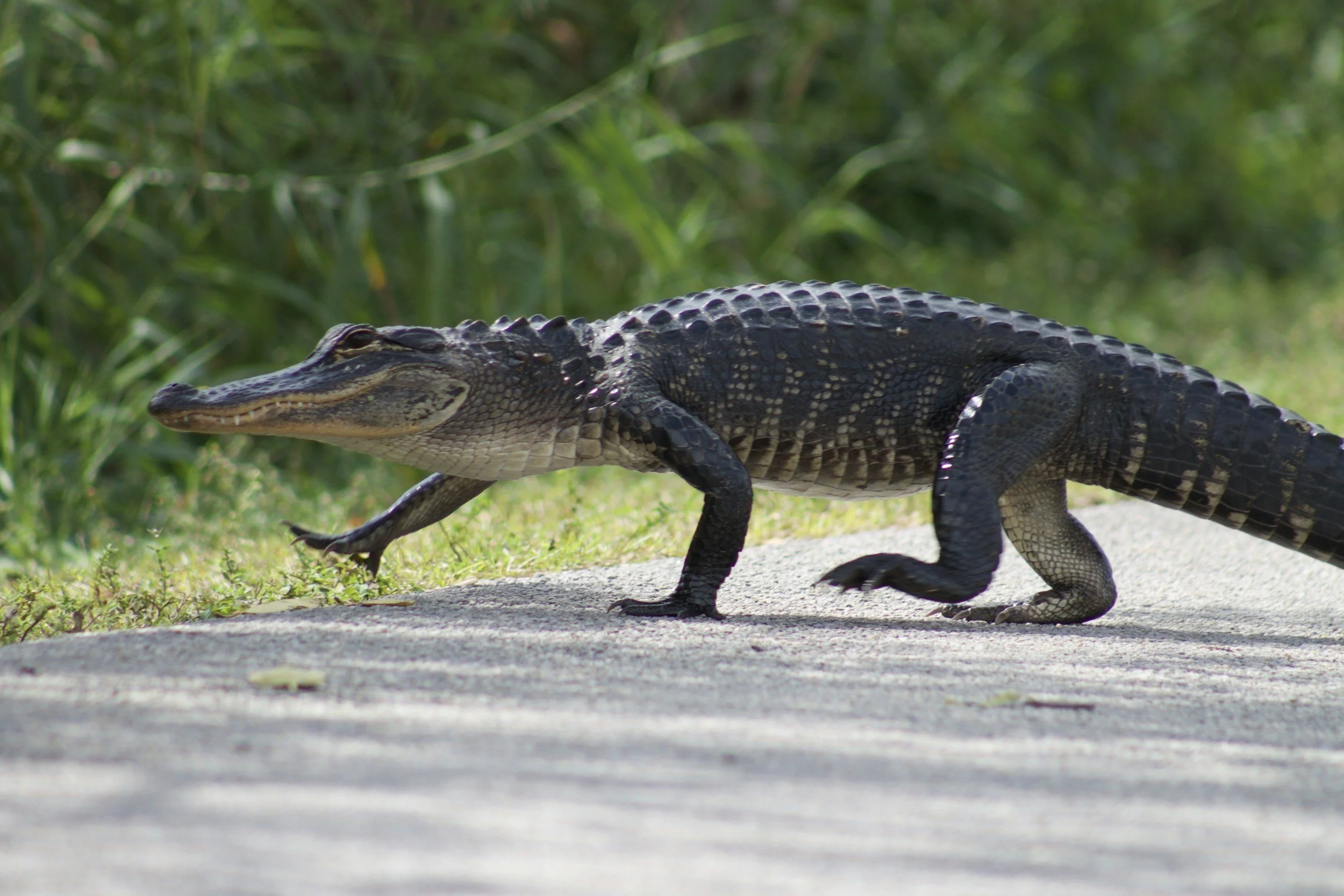
Alligators aren't the only cold-blooded creatures adjusting to seasonal rhythms. Native turtles, freshwater snakes, and local amphibians also seek secluded shelter across the Ashley River basin to conserve energy.
Fall and winter offer one of the most serene, uncrowded windows to explore the natural habitats of Magnolia Plantation & Gardens:
Walk along miles of scenic marsh paths and historic waterfowl impoundments.
Observe native and migratory birds thriving in the maritime forest and wetlands.
Experience the tranquil, moss-draped beauty of Charleston's oldest public gardens in their quietest season.
Plan your visit to Magnolia Plantation & Gardens this season to experience the rich biodiversity, peaceful landscapes, and wild nature of the Charleston Lowcountry.
