
Reflecting on 250 Years: Journey to Indigo

As the United States commemorates its semiquincentennial, July 4, 2026, marks 250 years since the signing of the Declaration of Independence. Across Charleston, South Carolina, and the broader East Coast, communities are reflecting on this historic milestone through public programs, museum exhibitions, and honest conversations about the founding of the nation and the complicated history of freedom.
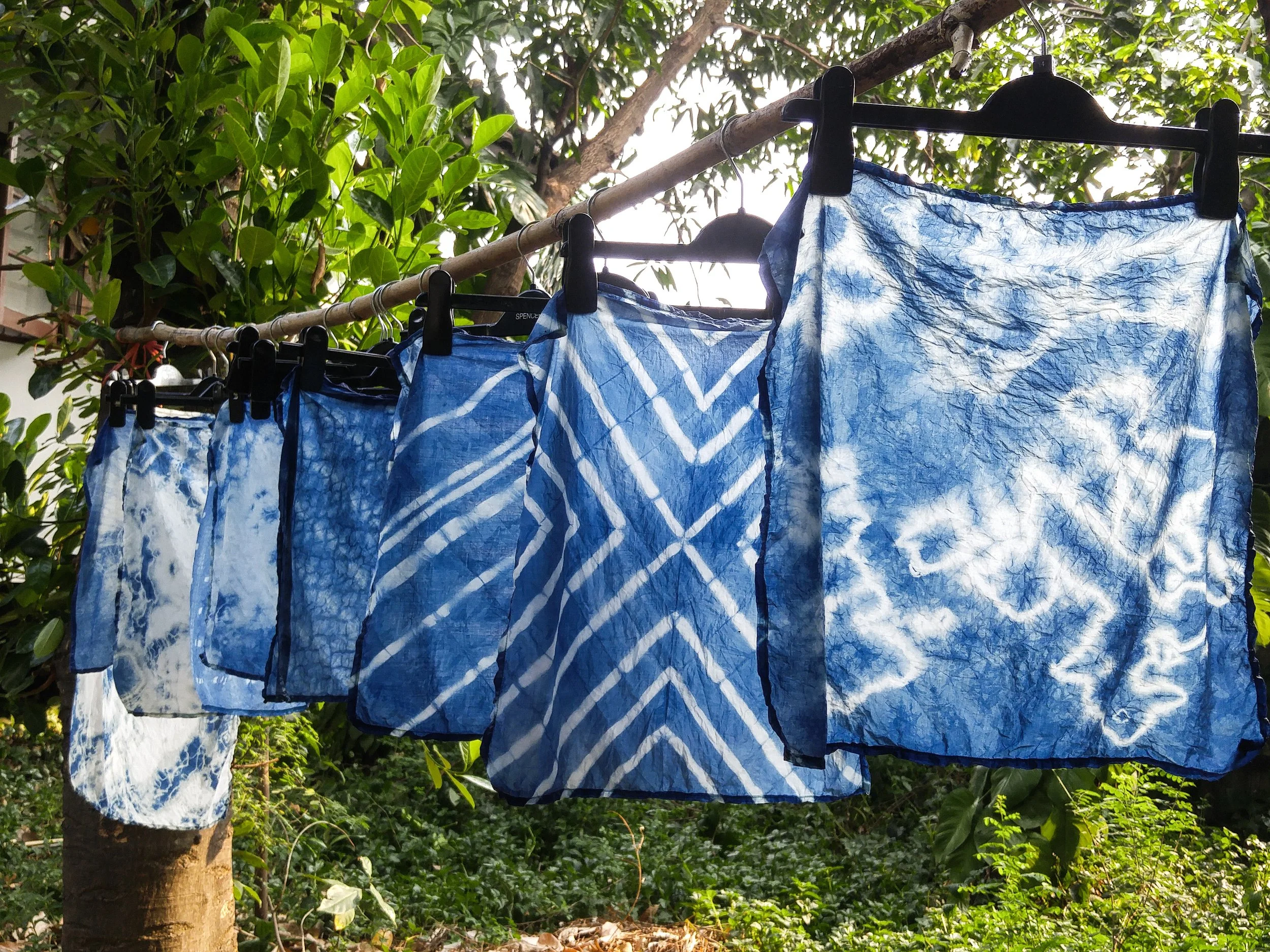
At Magnolia Plantation & Gardens, this reflection takes shape through Journey to Indigo: From Seed to Ink, an artistic and interpretive history exhibit launching in August.
The exhibit invites guests to explore the indigo plant from a full 360-degree historical perspective: as a botanical specimen, an elite blue dye, a labor-intensive cash crop, a global trade commodity, and a material deeply tied to the wealth and development of colonial South Carolina.What is the history of indigo in South Carolina?
During the colonial era, indigo was South Carolina's second-largest cash crop, nicknamed "Blue Gold" due to its immense value in European textile markets. Its cultivation relied heavily on the specialized knowledge of West African enslaved people, who already knew how to cultivate and process the temperamental plant.
When does the Journey to Indigo exhibit run?
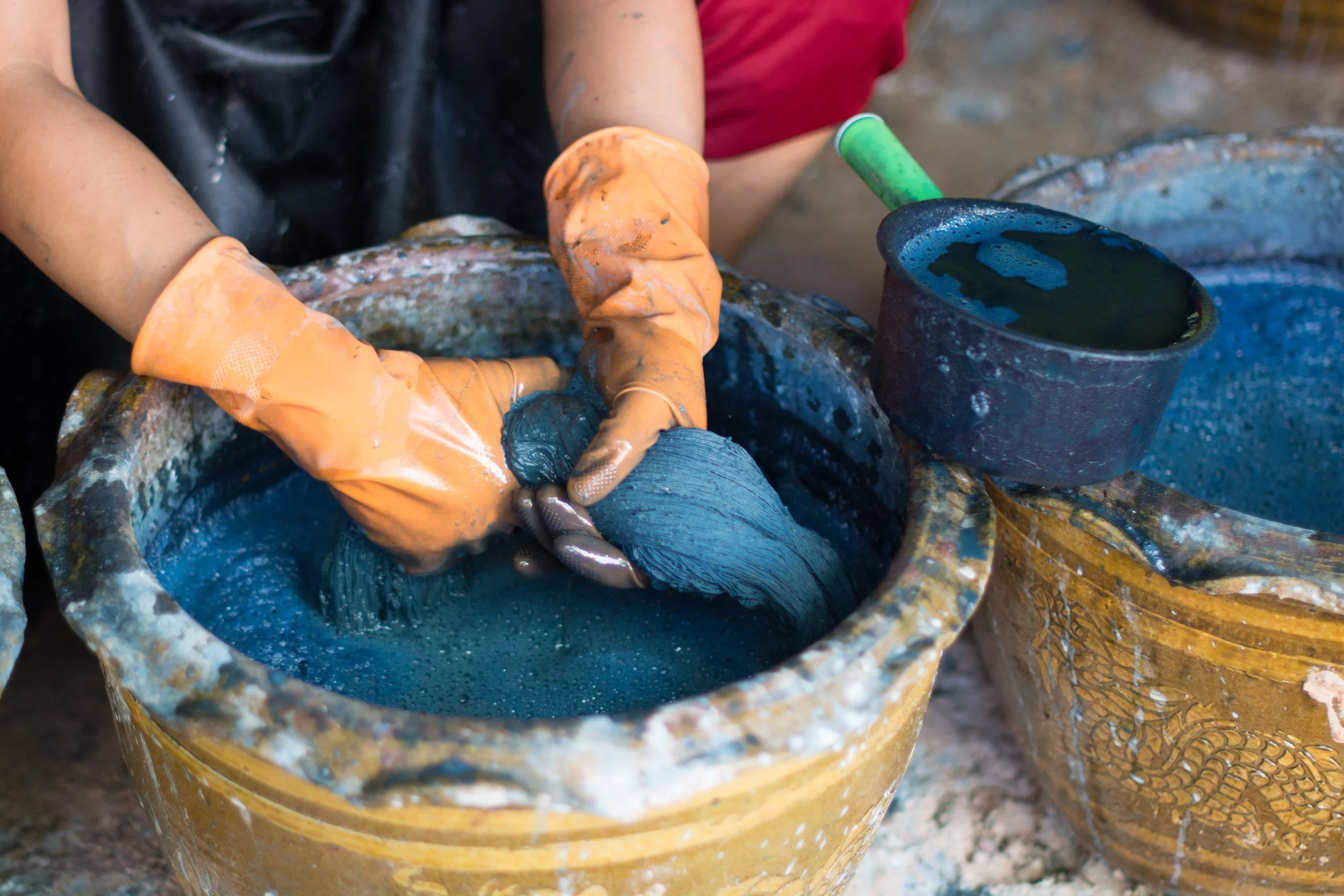
Journey to Indigo runs from August through mid-November 2026 at Magnolia Plantation and Gardens in Charleston, SC.
Want to experience the history of the Lowcountry for yourself? Don't just look at the art—create your own! Alongside our Journey to Indigo exhibit, Magnolia is hosting interactive Indigo Make, Dip, and Dye Workshops perfect for creative adults and curious families alike.
