
Best Time to Visit Magnolia Plantation & Gardens: Seasonal Guide for Charleston Visitors
There is something new to discover at Magnolia Plantation & Gardens throughout the year. Seasonal flowers, changing landscapes, native wildlife, historic experiences, and outdoor tours make every visit feel different. The best time to visit depends on what you hope to see and how you want to spend your day.
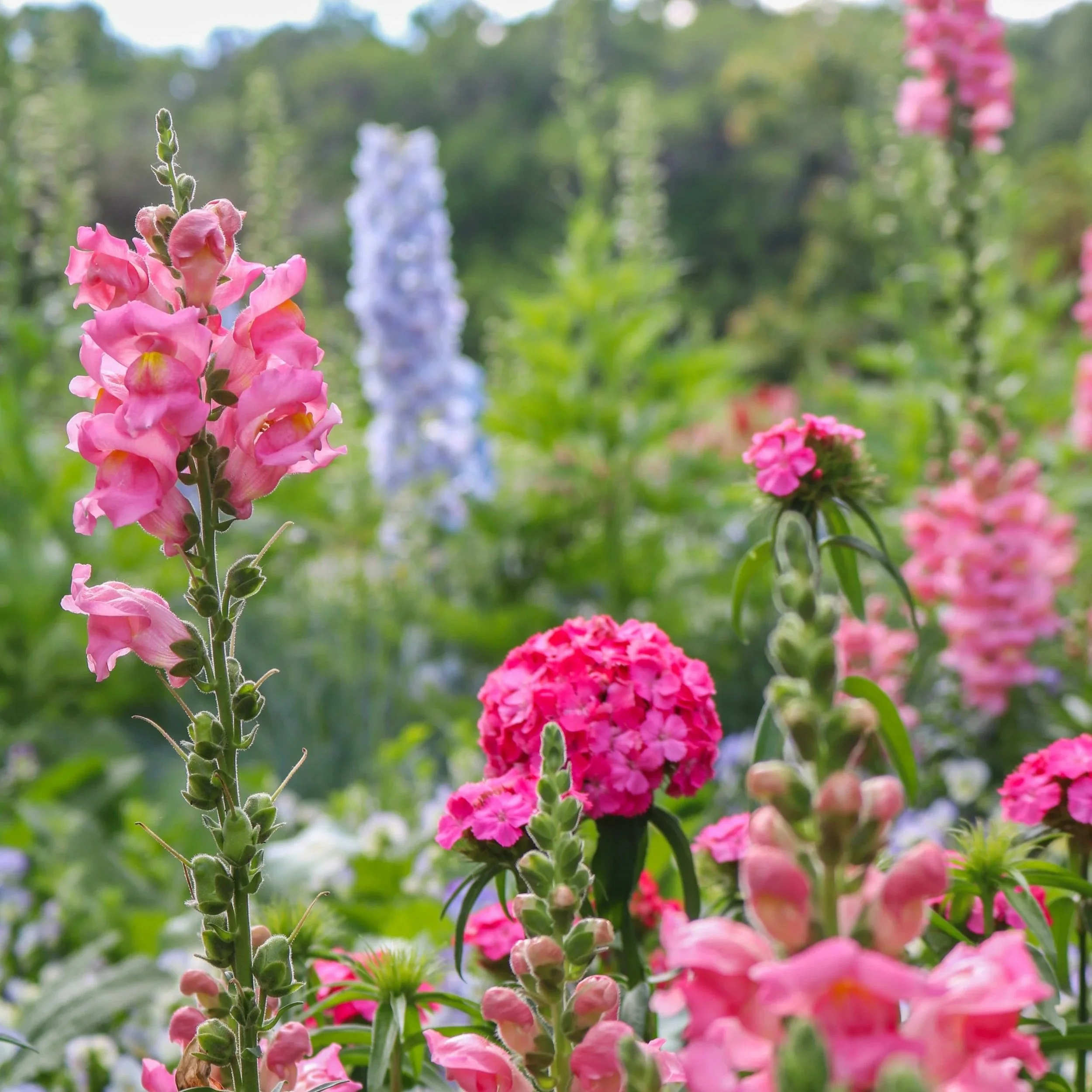
Spring: Colorful Flowers and Classic Charleston Beauty
Spring is one of the most popular times to visit Magnolia Plantation & Gardens in Charleston. Azaleas, magnolias, tulips, and other seasonal flowers bring the historic gardens to life. March through May is ideal for garden walks, photography, outdoor tours, and exploring the Audubon Swamp Garden. Since spring is a popular season, arriving early is recommended.
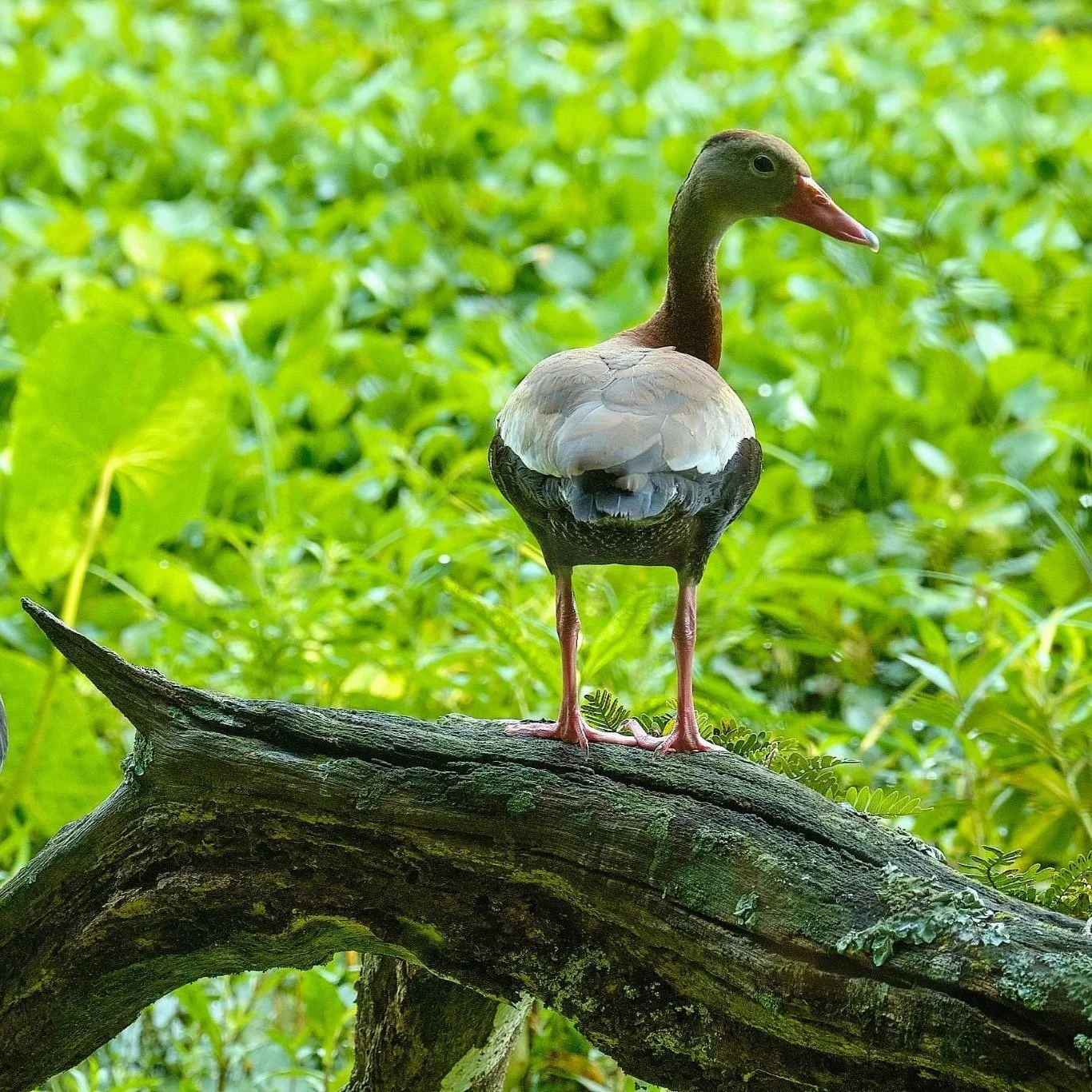
Summer: Lush Landscapes and Family Adventures
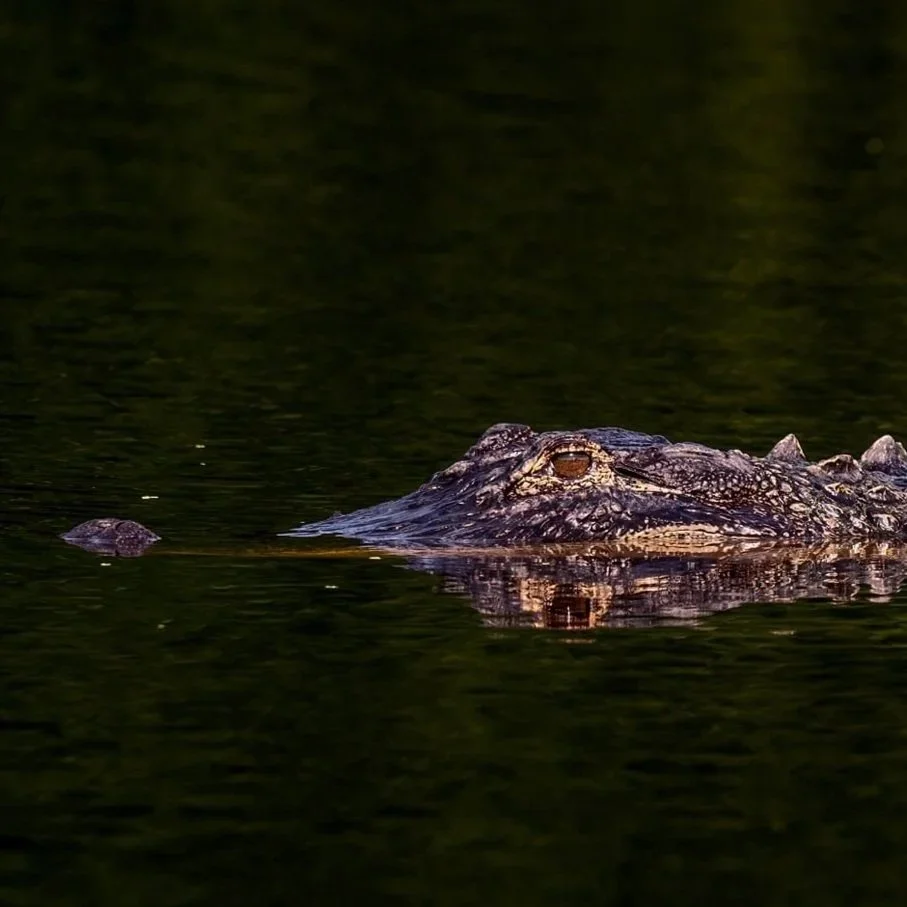
Summer brings lush greenery, blooming hydrangeas and roses, and plenty of opportunities to see native Lowcountry wildlife. Families looking for things to do with kids in Charleston can explore the Wildlife Center, walk the nature trails, visit the Magnolia House, or take an outdoor tour. An early morning visit is best for avoiding the hottest part of the day.
Fall: Comfortable Weather and Peaceful Garden Walks
Fall offers cooler temperatures and a quieter atmosphere. Changing trees, golden marshes, and scenic garden paths make October and November excellent months for photography, birdwatching, and peaceful walks.
Winter: Camellias, Wildlife, and a Quieter Visit
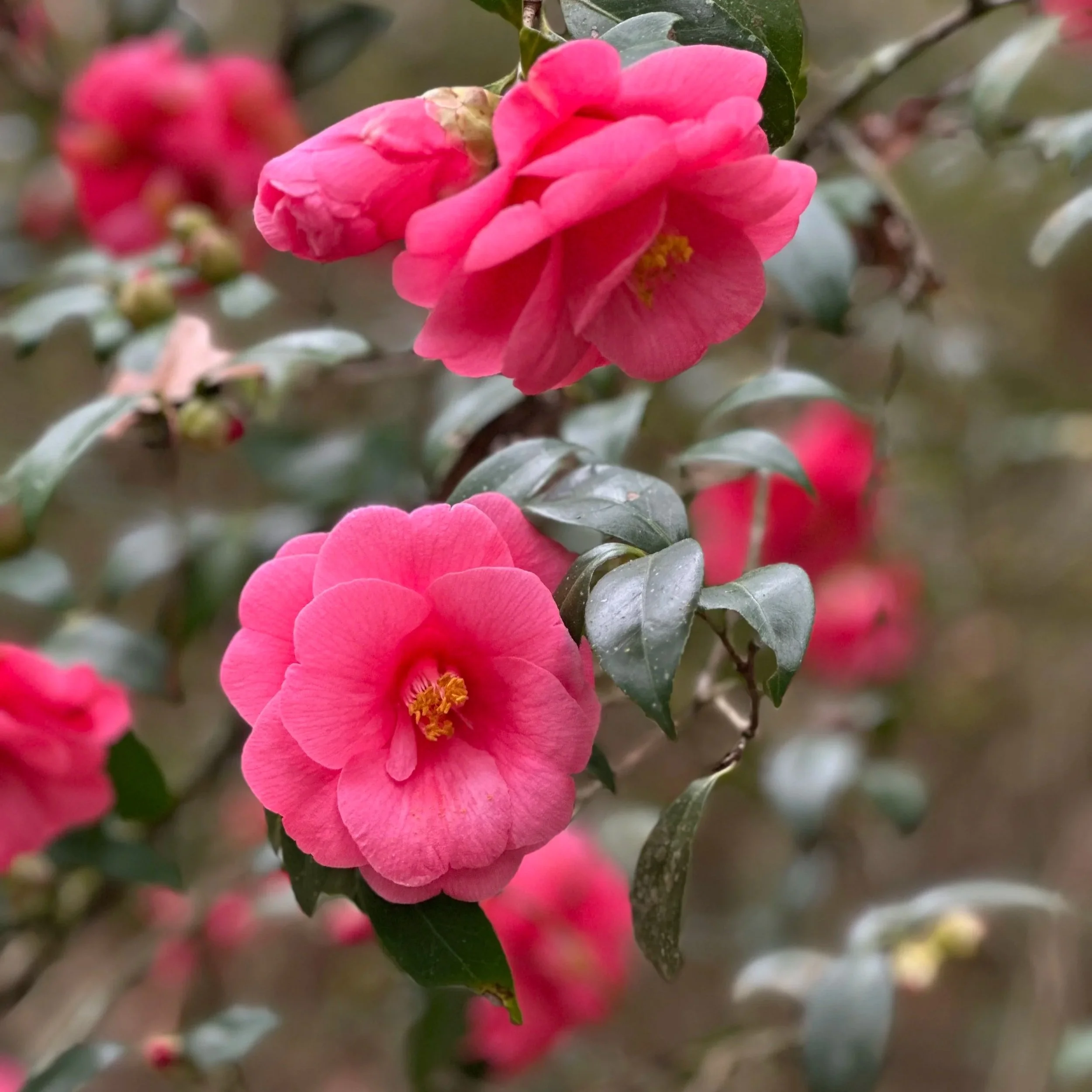
Winter is a peaceful time to explore Magnolia Plantation & Gardens. Mild Charleston weather makes walking comfortable, while winter-blooming camellias add color throughout the property. Visitors can also enjoy birdwatching, wildlife viewing, and the distinctive landscape of the Audubon Swamp Garden.
No matter when you visit, Magnolia Plantation & Gardens offers a memorable combination of natural beauty, wildlife, and Lowcountry history. Review the daily schedule and plan your visit to one of the most unique historic sites in Charleston
